
Xiaomi Humanoid Robots Complete Full Shift
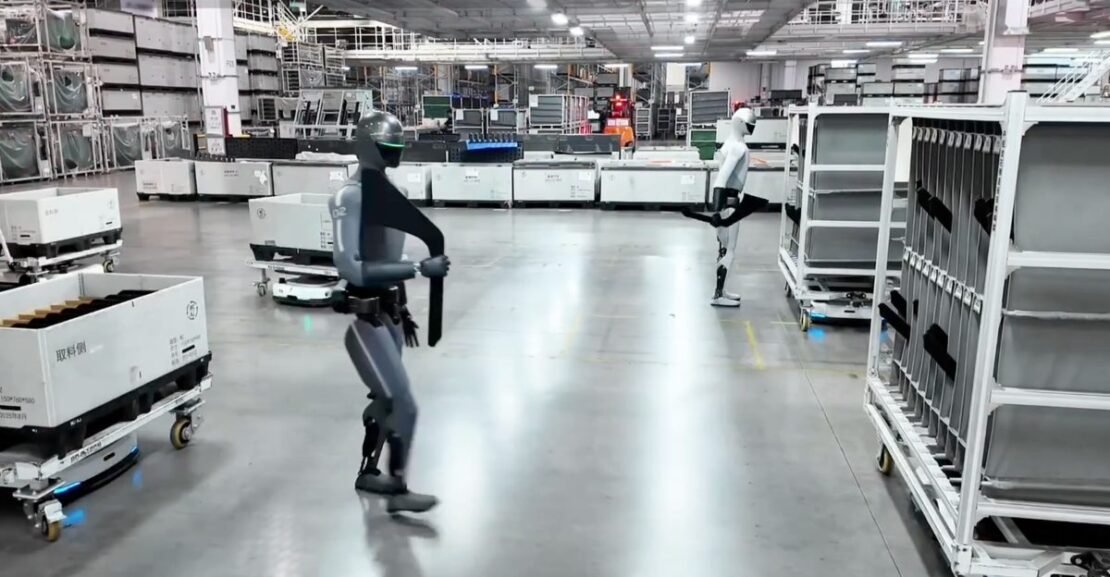
Xiaomi released video footage showing its humanoid robots completing a full 8-hour shift at its electric vehicle factory. According to the company, the robots operated at the Center Console Side-Cover Sorting Workstation, pulling side covers from bins, carrying them to storage racks, and placing them into slots to cover a full day of production needs for that task.
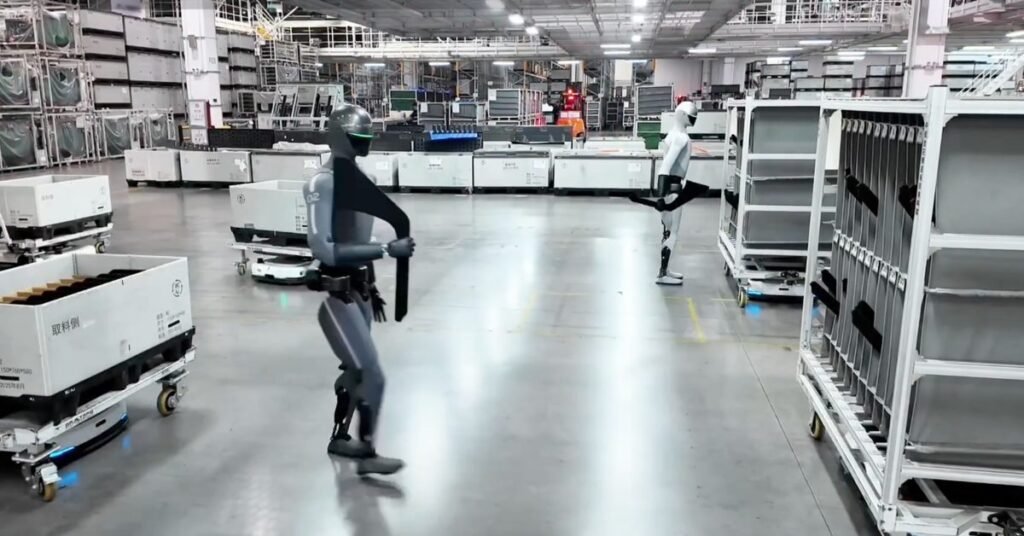
The company stated that the robots autonomously detected and corrected anomalies while coordinating directly with the production line’s control system. This follows earlier public milestones in Xiaomi’s robotics program, which included placing a humanoid robot as an intern in its Beijing EV factory in March to install self-tapping nuts, achieving a 90.2% success rate over three hours, and later reporting a 98% success rate in July while adding more complex stations.
Technical Details and Missing Metrics
Despite the milestone, Xiaomi did not disclose specific performance numbers for the 8-hour shift, such as the total number of parts sorted, the exact success rate over the full duration, or the frequency of human intervention. The company also omitted details regarding how the robots maintained power throughout the shift, leaving open whether they used swapped batteries, tethers, or charging breaks.
The footage also highlighted a multi-robot collaboration segment featuring a humanoid upper body mounted on a wheeled base assisting two-legged robots, alongside autonomous mobile robots used to transport parts across the facility.
Relevance for European Automotive Readers
For European automotive observers and industry analysts, manufacturing automation developments in global EV production lines offer insight into factory floor efficiencies and the deployment timeline of artificial intelligence in industrial environments. As automakers explore ways to streamline vehicle assembly processes, tracking the progression of autonomous hardware and software on active production lines highlights how manufacturing technology continues to evolve across international markets.
Practical Takeaway
While factory automation demonstrations illustrate long-term industrial trends, buyers tracking EV manufacturing should focus on verified vehicle specifications, confirmed pricing, and tangible delivery timelines rather than factory robotics milestones.
Source: Original report