
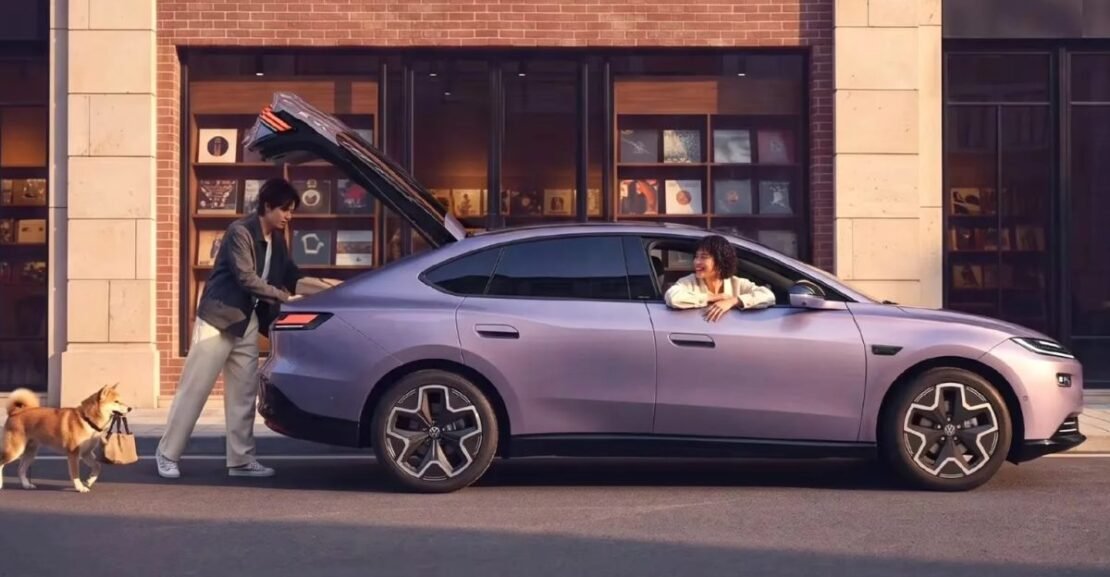
Volkswagen China manufacturing strategy shift
Facing declining sales, annual capacity cuts approaching a million units, and increasing competition from affordable Chinese rivals in Western markets, Volkswagen has announced a major strategic pivot. The company plans to export roughly 300,000 Made-in-China vehicles per year by 2030. According to Volkswagen CFO Arno Antlitz, this annual export target is considered “conservative” and could potentially scale up to offset weakening prospects within the Chinese domestic market.
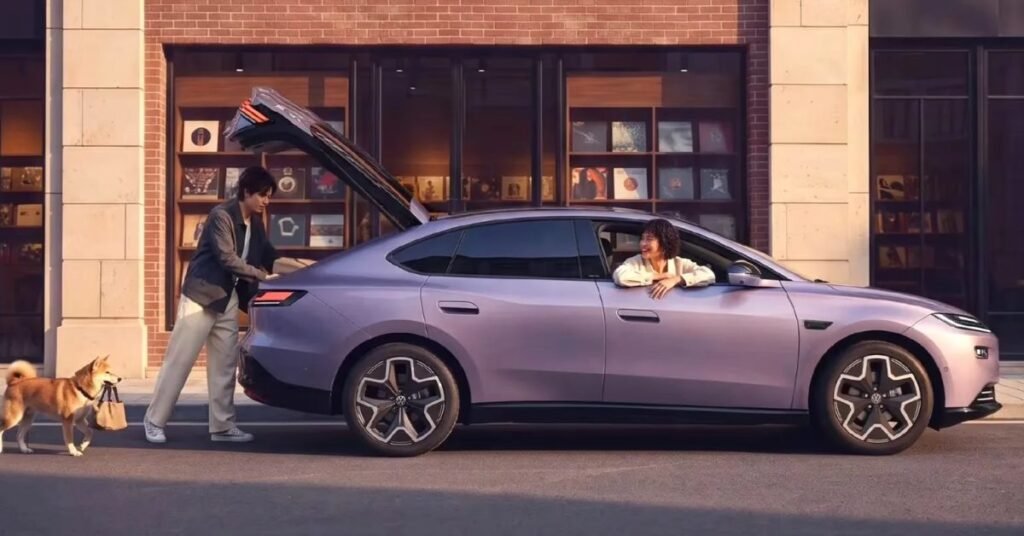
Target markets and exported models
While American dealers will not receive Made-in-China vehicles initially, the export pivot targets several specific regions. Mexican, South American, Middle Eastern, African, and Southeast Asian markets are slated to receive these lower-cost vehicles. The export lineup includes budget-friendly sedans such as the Jetta VA3, utilizing local manufacturing advantages to supply international buyers.
Financial pressures and technology integration
The strategic shift follows a sharp sales decline for Volkswagen’s Chinese joint ventures. During the first nine months of 2026, these ventures sold 1.2 million new cars, marking a 35% decrease compared to the previous year. Financial performance dropped from roughly $815 million in profit last year to a more than $120 million loss. Alongside these export targets, Volkswagen is considering adopting Xpeng’s technology stack for up to 75% of its core European lineup, navigating a landscape complicated by rising energy costs, ongoing software challenges, and labor disputes in Europe.
Practical Takeaway
For buyers and industry observers tracking global automotive shifts, Volkswagen’s pivot toward Chinese manufacturing hubs highlights how legacy automakers are restructuring supply chains to counter domestic sales drops and margin pressures. International buyers in designated export regions can expect greater availability of lower-cost models by 2030, while European core lineups may soon integrate external software architectures.
Source: Original report