

Using an electric vehicle battery to power a home relies on vehicle-to-home technology, which allows stored energy to flow from the car back into a residence. While most EV batteries feature larger capacities than standard home energy storage systems, utilizing this capability involves specific hardware requirements and structural limitations that extend beyond simply plugging the vehicle into the house.
Technical Requirements for Power Transfer
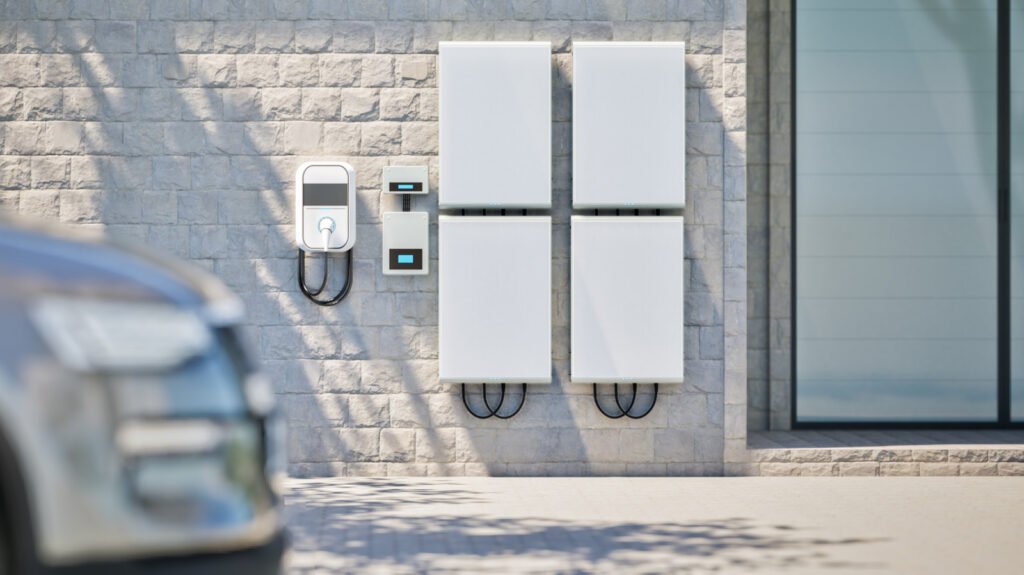
Turning an EV into a home backup system requires bidirectional operation supported by both the vehicle and the charging equipment. A standard charging connection does not automatically operate in reverse. The setup necessitates a bidirectional charger equipped with DC-to-AC inverter hardware and an islanding or transfer switch.
System performance depends heavily on battery capacity, measured in kilowatt-hours, and power output, measured in kilowatts. These metrics dictate the duration of the power supply and the specific appliances that can run simultaneously. Equipment must also manage startup surges from heavy appliances like refrigerators and air-conditioners. Furthermore, vehicle-to-home systems must be distinguished from vehicle-to-load functions, which power individual devices through built-in power outlets rather than supporting entire household circuits.
Home Upgrades and Equipment Costs
Implementing a whole-home or selected-circuit backup requires compatible power conversion equipment and a safe method to isolate the home from utility power during an outage to prevent energizing grid wiring. This setup typically involves significant expenses, including a bidirectional charger, an inverter, a gateway, electrical installation work, permits, and potential electrical panel or wiring upgrades.
Compatibility remains strictly tied to manufacturer ecosystems. For instance, specific General Motors electric vehicles require the GM Energy PowerShift Charger and V2H Enablement Kit. Kia supports the EV9 using Wallbox’s Quasar 2 charger and Power Recovery Unit, while Tesla’s Cybertruck utilizes PowerShare, and newer Model 3 and Model Y variants support integration with Powerwall 3. These hardware combinations are generally not interchangeable, and regional availability heavily dictates access; for example, Polestar rolled out bidirectional charging for the Polestar 3 specifically for drivers in California.
Operational Limitations and Everyday Constraints
Relying on an electric vehicle for home backup introduces practical compromises for daily driving. Energy used by the household directly reduces the driving range available for travel. Heavy loads such as air-conditioning and electric heating significantly reduce runtime. Additionally, frequent cycling for home backup can contribute to long-term battery wear.
Practical Takeaway
Before purchasing an electric vehicle with home backup in mind, buyers must verify vehicle compatibility, confirm regional availability, and obtain professional installation quotes for the necessary bidirectional hardware and home integration systems.
Source: Original report