
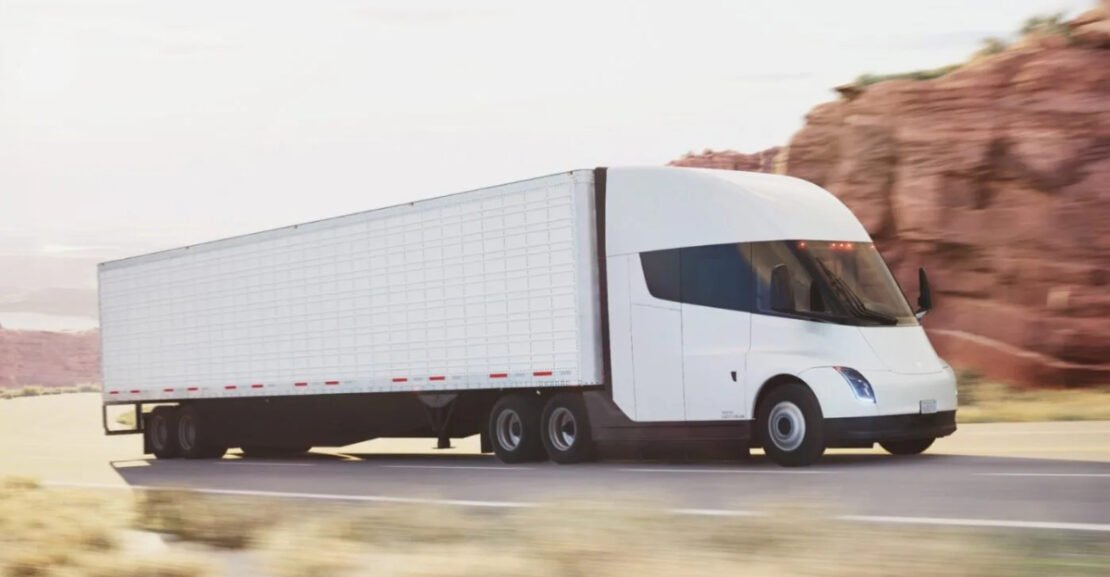
Class 8 Electric Truck Fire Incident on Interstate 880
A Tesla Semi traveling on Interstate 880 in Hayward, California, caught fire during the evening commute without a prior collision or multi-vehicle pileup. The driver pulled over safely and escaped unharmed before the lithium-ion battery pack entered thermal runaway. The incident forced the California Highway Patrol to shut down southbound lanes for nearly ten hours while fire crews managed the blaze and allowed the pack to burn out. This marks the second time in over two years that a Tesla Semi fire has caused a major highway closure in California, following an August 2024 incident near Emigrant Gap.

The Engineering and Manufacturing Culture Gap
The challenges facing heavy-duty electric vehicle adoption point to a cultural and philosophical divide between Silicon Valley tech companies and century-old commercial trucking manufacturers. Startups often approach heavy-duty vehicle design like consumer electronics, prioritizing maximum aerodynamic efficiency, custom monolithic structures, and fast development cycles. However, Class 8 commercial trucks endure severe mechanical stress, including torsional twisting over uneven loading docks, low-frequency road battering, and continuous vibration across millions of frost heaves. Traditional truck builders such as Volvo, Mack, and Freightliner operate under conservative design principles, utilizing smaller, modular battery packs mounted externally rather than single integrated structural blocks. This modular approach allows for easier physical isolation of damaged or failing cells, whereas monolithic high-energy packs present greater containment challenges during a thermal event.
Why This Matters for European Markets
European transport operators and regulators face similar hurdles as commercial fleets transition toward heavy-duty electrification. With strict safety standards governing commercial vehicle operations across European transport corridors, understanding the structural durability, battery containment strategies, and thermal management of heavy-duty electric trucks is critical. Fleet operators balancing long-range haulage requirements with safety compliance must evaluate how structural battery integration versus modular design impacts emergency response, maintenance protocols, and overall operational reliability on regional highways.
Practical Takeaway
For fleet operators and industry buyers evaluating Class 8 electric trucks, vehicle selection must account for both operational range and the physical architecture of the energy storage system. Reviewing manufacturer safety recall protocols, battery modularity, and structural durability under heavy payload conditions remains essential for mitigating downtime and managing risk in commercial deployment.
Source: Original report