

Tesla China Sales Drop to Lowest Level in Over Four Years
According to data from the China Passenger Car Association (CPCA), Tesla delivered only 8,817 vehicles to domestic Chinese buyers in October 2026. This figure represents a 66% decline compared to the same month in the previous year and marks Tesla’s worst domestic sales month in China since July 2022. While Giga Shanghai operated normally without factory shutdowns, the facility built 67,829 total vehicles during the month, meaning approximately 87% of production was directed outside of China.
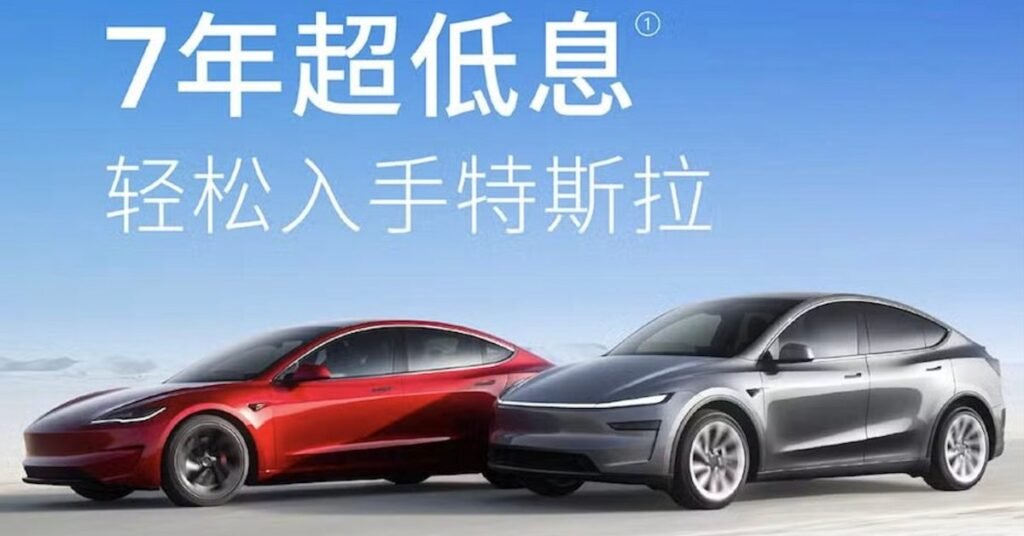
The domestic drop follows a broader pattern seen during the first months of quarters, where Tesla typically prioritizes export orders early in the period and pushes domestic deliveries toward quarter-end. However, the scale of the October trough outpaced previous historical drops. Domestic retail sales fell 86% compared to September, and the October total was less than half of any previous first-month-of-quarter low recorded earlier in 2026.
Model Breakdown and Giga Shanghai Export Volume
The vast majority of vehicles delivered locally in October consisted of the Model Y, which accounted for 7,807 units according to local reports. This left just 1,010 units for the Model 3. Total wholesale figures for Giga Shanghai reached 67,829 units—a 10.3% year-over-year increase—driven entirely by a surge in exports totaling 59,012 vehicles. Through the first ten months of 2026, Giga Shanghai has shipped 420,984 cars abroad, surpassing its domestic retail total of 389,905 vehicles for the same period.
The heavy focus on exports coincides with upcoming regulatory changes. Beijing is set to reduce the VAT export rebate on electric vehicles from 13% to 9% on April 1, 2027, prompting automakers to accelerate shipments ahead of the customs declaration deadline.
Broader Context in China’s Electric Vehicle Market
China’s broader New Energy Vehicle (NEV) market experienced a contraction in October, with retail sales falling 10% year-over-year to 1.148 million units amid the phase-out of government trade-in subsidies and a halved purchase tax exemption. While the overall passenger car market declined by 25%, Tesla’s domestic retail drop outpaced the sector, capturing roughly 0.8% of China’s NEV retail market in October. Meanwhile, domestic competitors reported stronger volumes, with newer market entrants scaling up deliveries while Tesla relies on its established Model 3 and Model Y lineup.
Practical Takeaway
For electric vehicle buyers observing international manufacturing and supply trends, fluctuating delivery patterns highlight how major automakers adjust export schedules around regional subsidies and regulatory deadlines. Buyers evaluating current EV options can monitor local delivery rebounds in upcoming months to gauge sustained market demand against shifting policy landscapes.
Source: Original report