
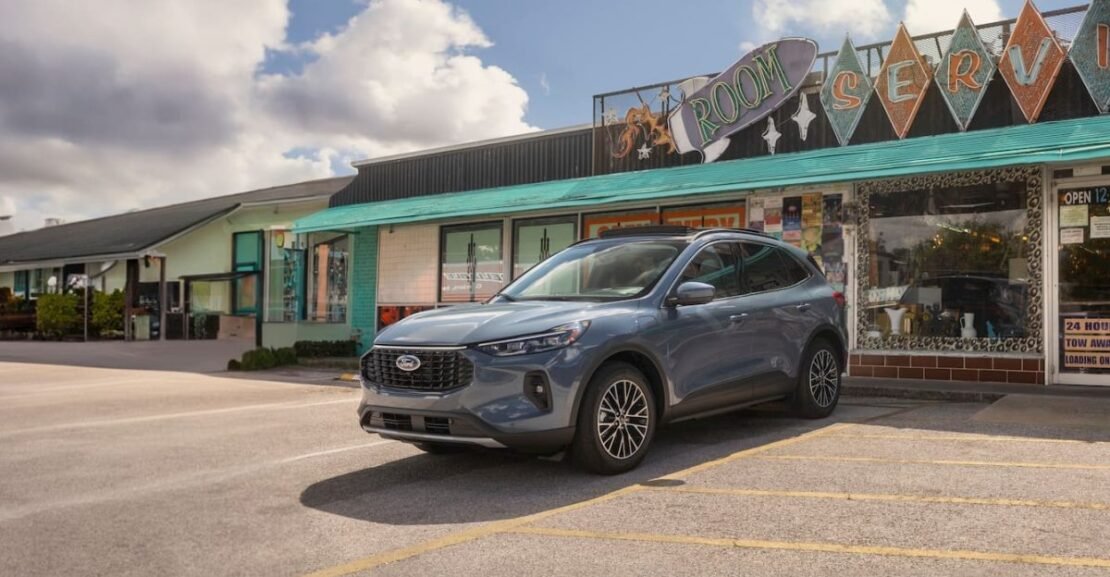
Potential Return of the Ford Escape as an EV
Following the conclusion of the gas-powered Ford Escape’s 25-year production run at the Louisville Assembly Plant, official landing page messaging suggests the model may be on hiatus rather than permanently discontinued. Reports indicate the vehicle could return as an all-electric crossover utilizing Ford’s upcoming Universal Electric Vehicle (UEV) platform. However, a Ford spokesperson has clarified that reports regarding the electric Escape’s return on the UEV architecture remain speculative, as the company has not made any official announcements.
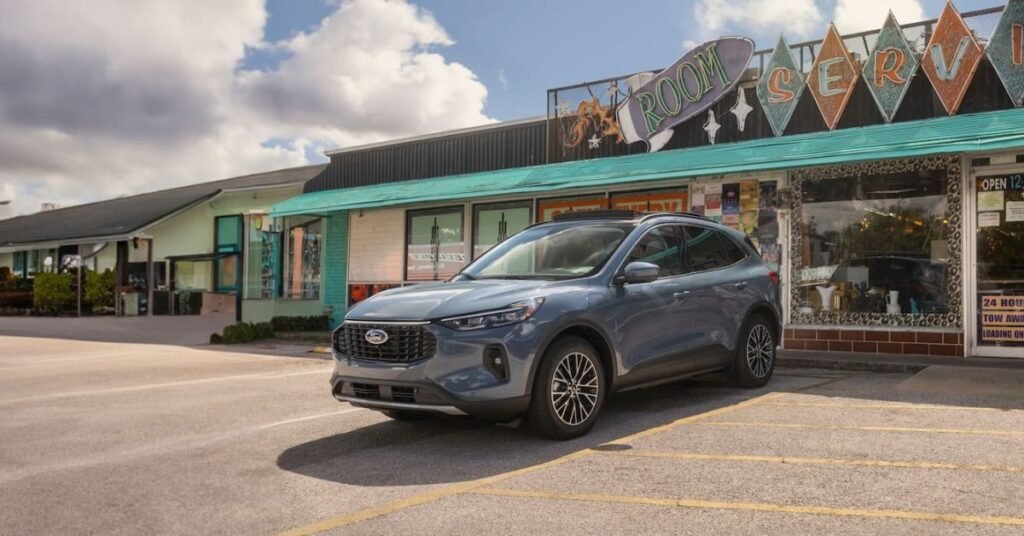
The UEV Platform and Ford Fathom Launch
The flexible UEV architecture is designed to support various vehicle segments, ranging from compact crossovers to pickup trucks and vans. The first vehicle slated to use this platform is the Ford Fathom electric pickup, which CEO Jim Farley confirmed remains on track for a fourth-quarter launch next year. Preorders for the Fathom will open in early 2027 with a starting price of $28,350, excluding the $1,595 delivery fee. The Fathom will feature lithium iron phosphate (LFP) batteries, an NACS charge port, bidirectional charging capabilities, integrated Apple Maps, and BlueCruise hands-free driving technology.
Relevance for European Buyers
As Ford develops its global electric vehicle strategy around the new UEV platform, developments concerning compact crossovers and shared electric architectures provide insight into the brand’s future product roadmap. However, specific European availability, release dates, and technical homologations for a potential electric Escape or UEV-based models have not been disclosed by the manufacturer.
Practical Takeaway
While Ford has not officially confirmed an electric Escape, buyers interested in Ford’s next-generation electric vehicles can look to the upcoming Fathom pickup in 2027 as the initial real-world implementation of the UEV platform, utilizing LFP batteries and NACS charging hardware.
Source: Original report