
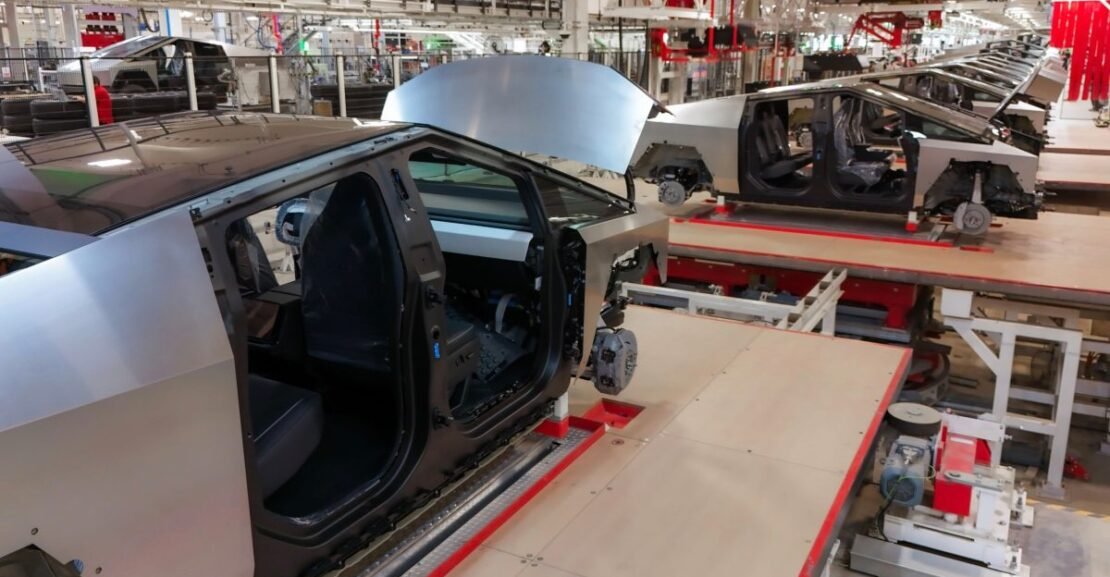
Tesla has announced plans to wind down Cybertruck production at Giga Texas around mid-2027 to accommodate increased Cybercab manufacturing. Executive statements attributing the wind-down to order rates exceeding production and opportunity costs contrast with public manufacturing capacity data and delivery tracking.
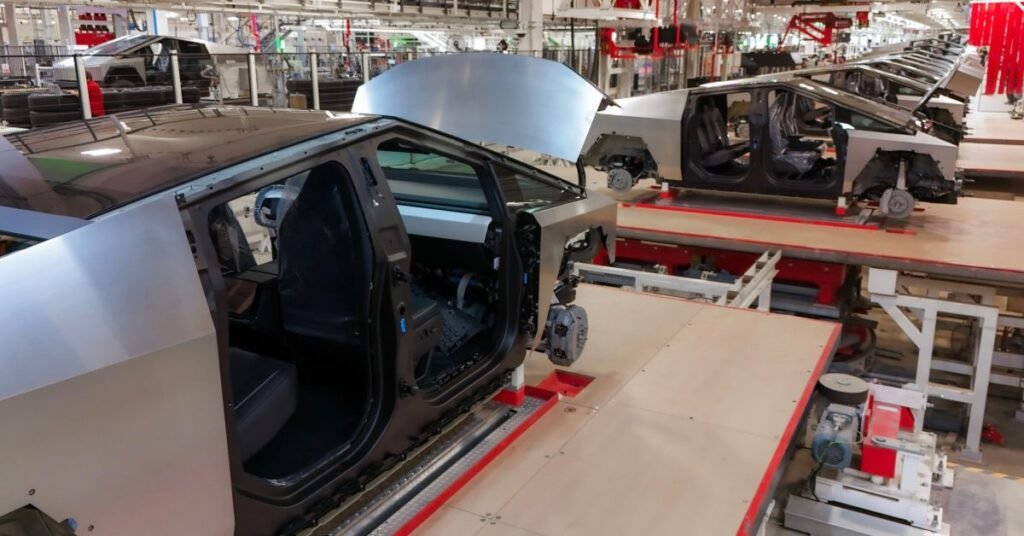
Production Capacity and Delivery Metrics
Tesla’s latest shareholder reports indicate an installed capacity of more than 125,000 units annually for the Cybertruck line. Delivery estimates from third-party tracking, including Cox Automotive, place US sales at 3,519 units in the first quarter of 2026 and 3,744 units in the second quarter, marking a significant drop from a peak of 14,416 units in the third quarter of 2024. Throughout 2026, the vehicle line operated well below its maximum designed throughput.
Pricing Adjustments and Market Strategy
Leading up to the phase-out announcement, Tesla implemented multiple pricing and configuration changes. The company introduced limited-time promotional pricing earlier in the year, such as a short-lived $59,990 dual-motor offer, while discontinuing the single-motor rear-wheel-drive trim after minimal recorded sales. Concurrently, list prices for remaining orderable trims were adjusted upward by up to 10%, altering the market entry point for buyers looking to secure final builds before the line closes.
International Rollout and Regional Cancellations
Beyond the North American market, regional availability has faced retrenchment. Tesla cancelled Cybertruck order books for Australia and New Zealand, initiating refunds for deposits collected since the vehicle’s initial 2019 unveiling. These cancellations point to localized demand constraints rather than overwhelming backlog management.
Practical Takeaway
Prospective buyers evaluating final production allocations should review verified delivery metrics, current regional availability, and updated pricing structures directly from manufacturers rather than relying on reservation figures.
Source: Original report