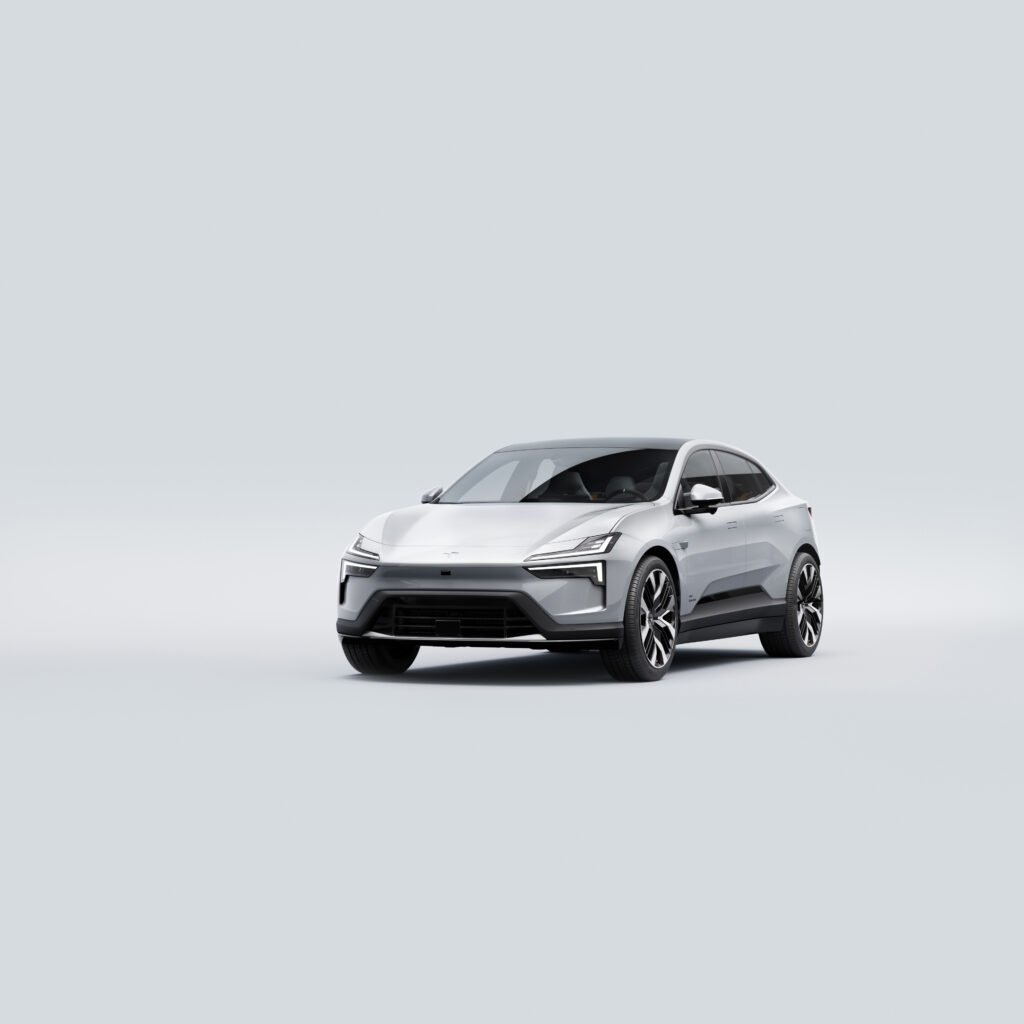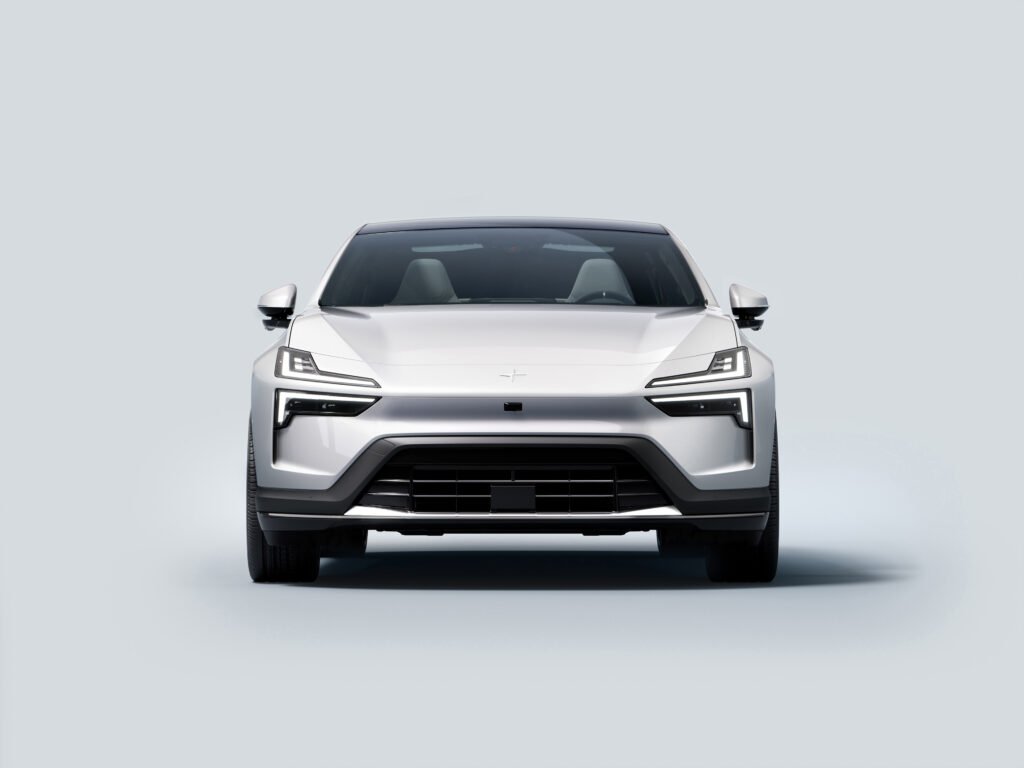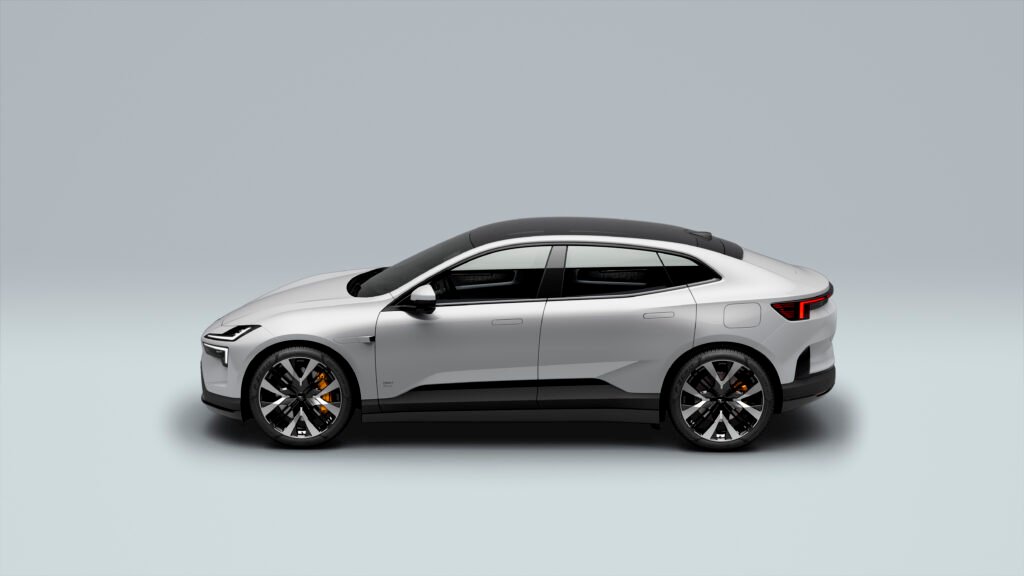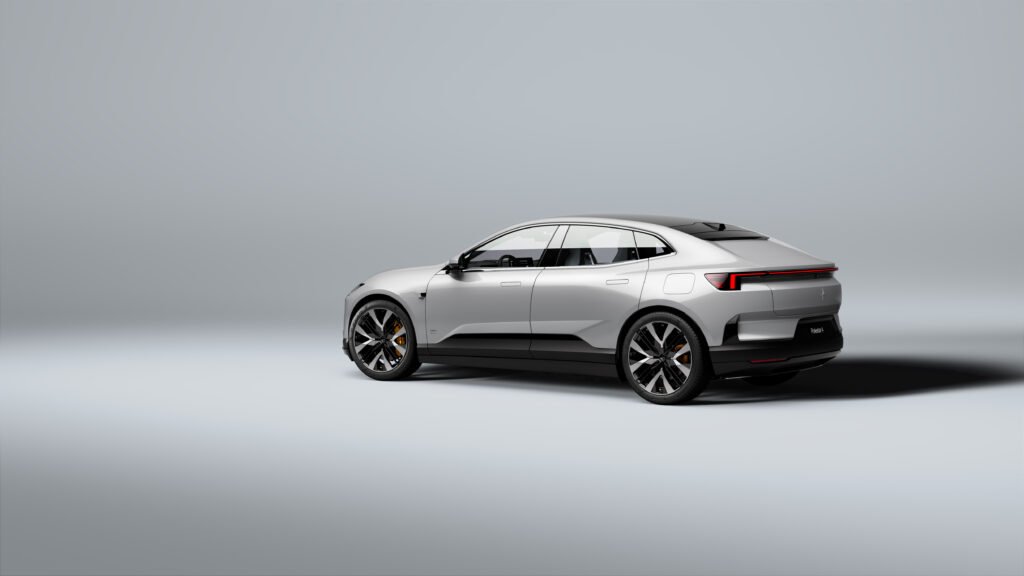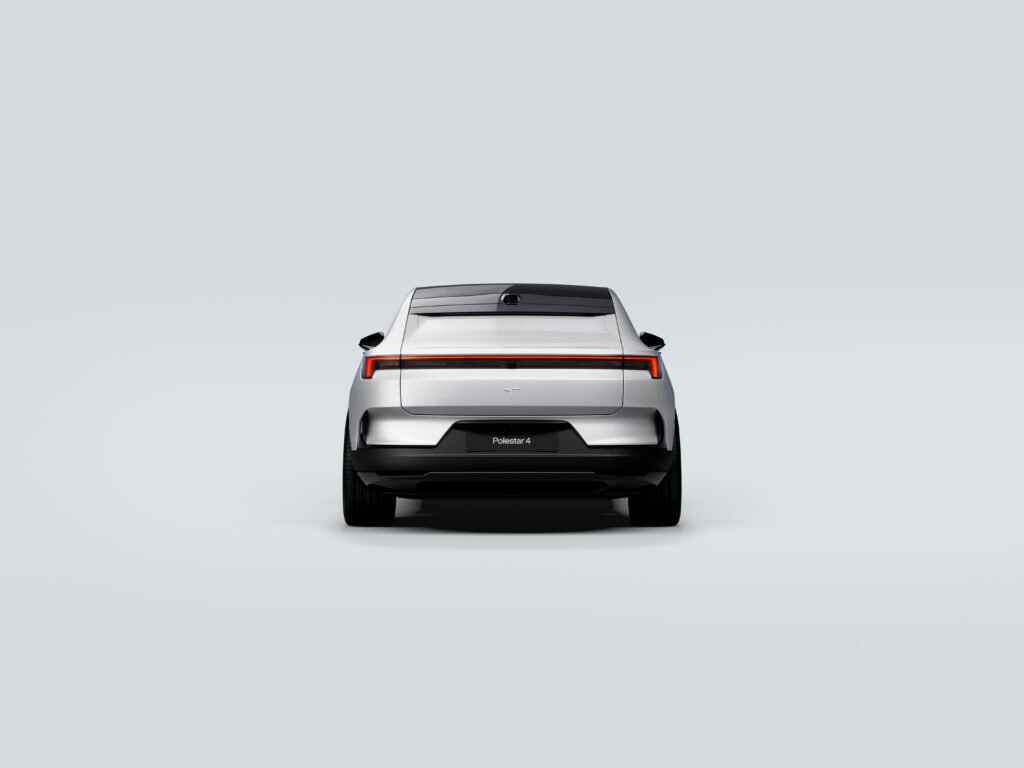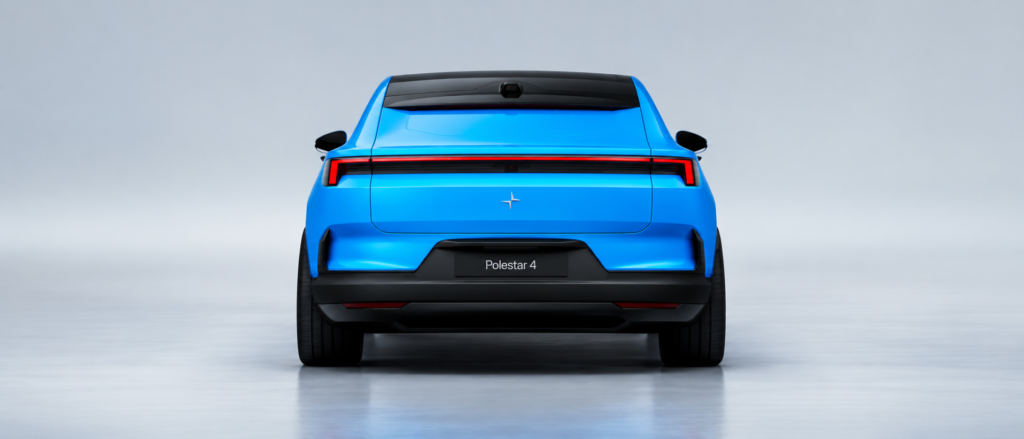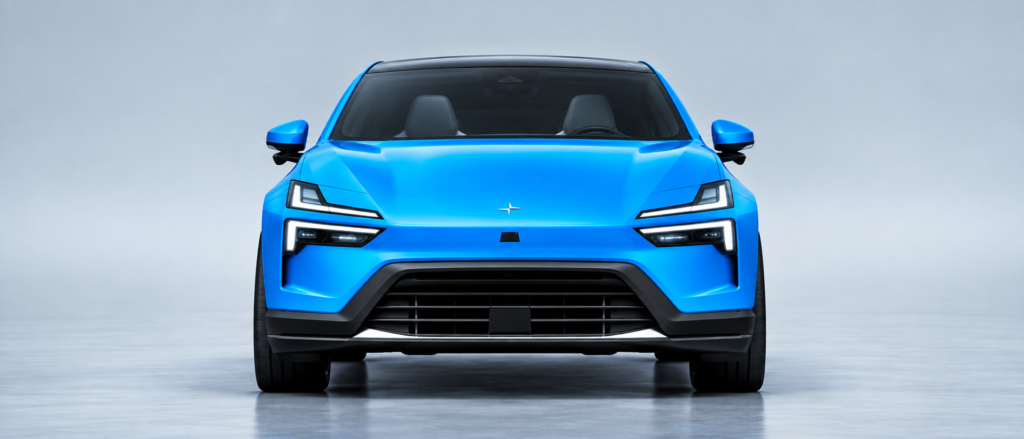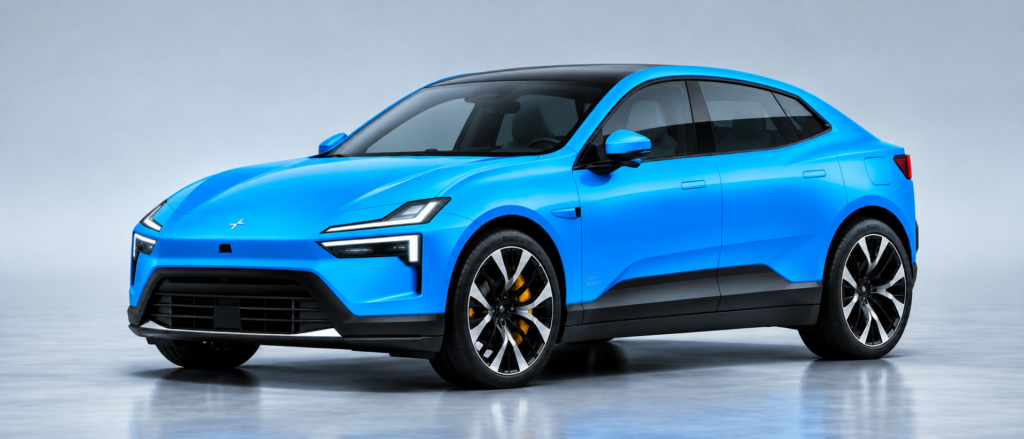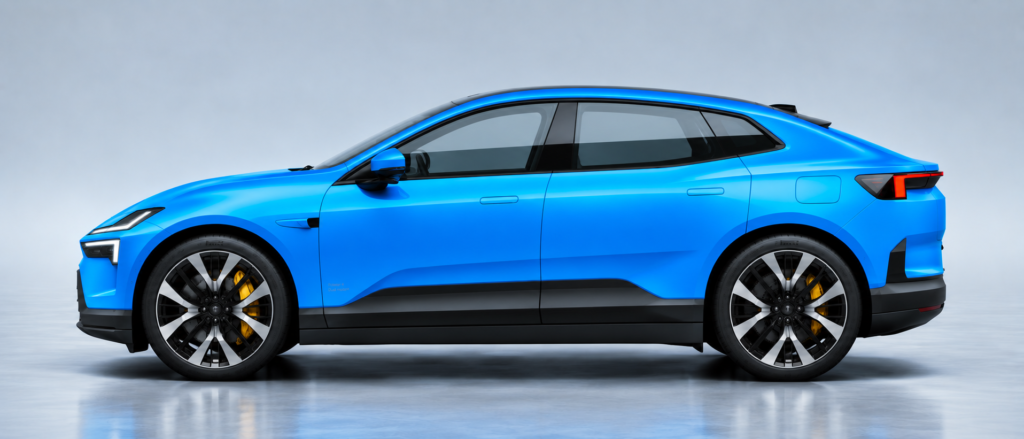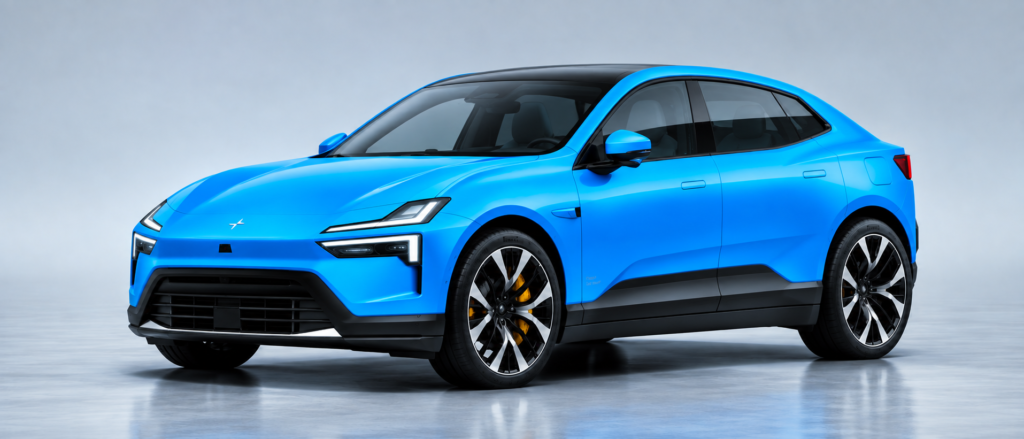
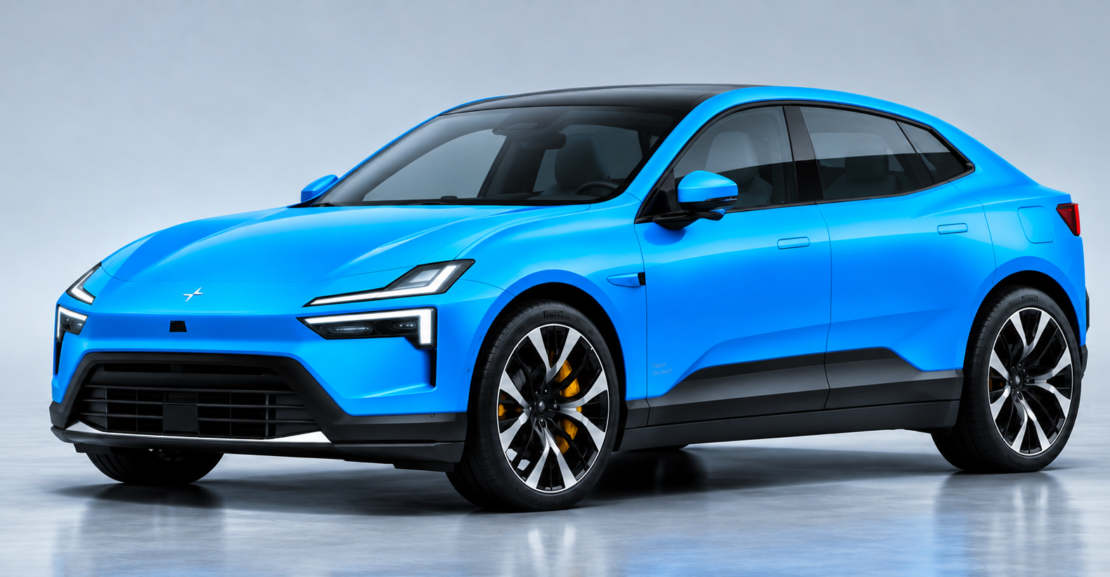
The Polestar 4 is fast, comfortable, packed with technology and, in my opinion, one of the best-looking EVs on the road today.
I spent some time with the 2026 Polestar 4 Long Range Dual Motor, driving through Cannes, along the Mediterranean and into the Estérel mountains. By the end, I found myself wondering why more electric cars aren’t designed like this.
And no, the lack of a rear window isn’t the problem.
Watch my full Polestar 4 review on YouTube
The Polestar 4 I drove
My test car was the Long Range Dual Motor, without the Performance Pack.
For the 2026 Polestar 4 Coupé, Polestar lists the Dual Motor at 400 kW (544 hp), 686 Nm of torque, all-wheel drive, 0–100 km/h in 3.8 seconds and a 200 km/h top speed. It uses a 100 kWh battery and has a WLTP range target of up to 590 km. Curb weight is 2,355 kg.
Key specs
| 2026 Polestar 4 Long Range Dual Motor | |
|---|---|
| Drivetrain | Dual-motor AWD |
| Power | 400 kW / 544 hp |
| Torque | 686 Nm |
| 0–100 km/h | 3.8 sec |
| Top speed | 200 km/h |
| Battery | 100 kWh |
| WLTP range | Up to 590 km |
| WLTP consumption | 19.0–21.7 kWh/100 km |
| AC charging | 22 kW |
| DC charging | 200 kW |
| Curb weight | 2,355 kg |
The Performance Pack doesn’t add more motor power. Instead, it adds hardware including 22-inch Performance wheels, Pirelli P Zero tyres and specially tuned active ZF dampers, along with the distinctive Swedish Gold detailing.
A beautiful EV — without trying too hard
People sometimes forget one of the reasons the original Tesla Model S was so successful: it was desirable. Not desirable despite being electric. It was simply a beautiful car.
I think Polestar understands that.
The Polestar 4 looks clean and distinctive at a time when some manufacturers seem to suffer from what I like to call “too muchery” — too many lines, lights, fake vents, textures and ideas on the same car.
Good design isn’t about how much you can add. Sometimes it’s knowing when to stop.
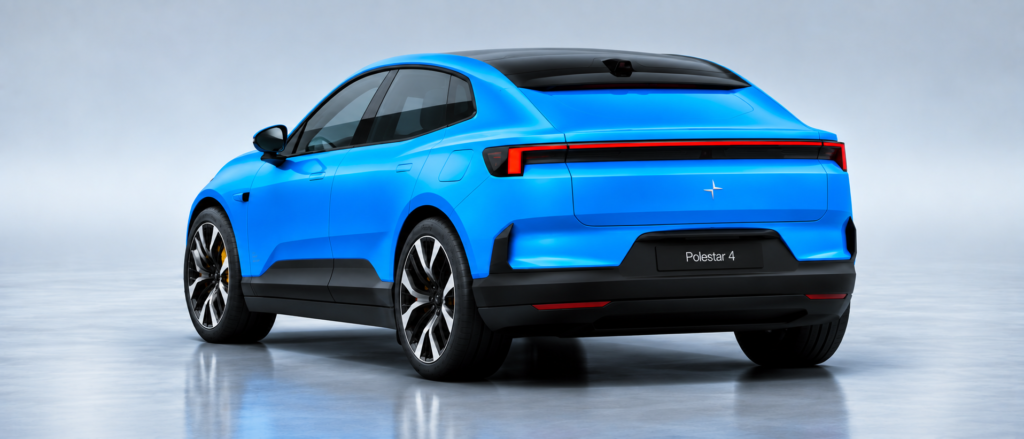
Polestar has also created a real brand identity. You can see one of its cars and immediately recognize it, and I particularly like that Polestar doesn’t need to write its name across the entire back of the car. A small logo is enough.
544 hp meets Cannes
Taking a car this wide through busy Cannes and into a ridiculously tight underground car park was an interesting first test.
Surprisingly, it wasn’t difficult to drive around town. Visibility is good and the extensive camera system becomes genuinely useful when scooters, walls and other cars start getting a little too close.
What I did miss was automatic parking. On a car this large, I think it should be available.
Leave Cannes behind, though, and the Polestar 4 shows a completely different personality.
With 544 hp and 686 Nm, acceleration is seriously quick. The steering feels direct and the car remains remarkably comfortable even when the road deteriorates.
You do feel its roughly 2.35-tonne weight when pushing harder through corners, but this isn’t really trying to be a lightweight sports car. To me, it makes much more sense as a very fast, comfortable electric grand tourer.
No rear window? I don’t care
The missing rear window is the feature everyone wants to talk about.
After actually using the car, my conclusion is simple:
It doesn’t matter.
The digital rear-view mirror has excellent image quality, while the exterior cameras make manoeuvring easy. In the back, the huge panoramic glass roof keeps the cabin feeling bright rather than claustrophobic.
Rear space is also enormous. At 1.72 m tall — or “180 minus 8,” as I put it in the video — I had an almost ridiculous amount of legroom.
The boot offers 530 litres, plus useful underfloor storage for the charging cables. The frunk, on the other hand, is tiny.
Minimalism done properly
Almost everything in the Polestar 4 is controlled through the central touchscreen.
Normally, removing physical buttons can make a car considerably worse to use. If you’re going to replace expensive physical controls with a screen, the UI needs to be fast, logical and responsive.
Polestar nailed it.
It’s one of the easiest automotive infotainment systems I’ve used. There are also proper clickable steering-wheel buttons on the 2026 car, so Polestar hasn’t completely abandoned physical controls.
I made a separate video showing the infotainment system in much more detail:
Watch the Polestar 4 infotainment walkthrough
What about real-world range?
Officially, the Dual Motor is rated for up to 590 km WLTP, with consumption of 19.0–21.7 kWh/100 km.
But WLTP range is a little like a guy’s height on Tinder, so I was more interested in what the car itself was showing.
At one point I had 359 km of predicted range at 81% battery, which works out to roughly 443 km at 100% at that particular consumption rate.
That followed some spirited driving through twisting mountain roads, where I saw around 28.3 kWh/100 km. With normal driving, consumption dropped to around 18 kWh/100 km.
Almost perfect… except for one thing
The Polestar 4 gets a lot right.
It’s gorgeous, extremely spacious, comfortable, seriously fast and technologically impressive. Even its most controversial feature — having no rear window — turned out to be something I barely cared about.
There are things I’d improve. Automatic parking would be welcome, and the traffic-sign recognition became confused by motorway exit speed limits during my drive.
But neither is the big problem.
Where is Swedish Racing Green?
How can a Swedish brand make a car this good-looking and not even offer Swedish Racing Green as an option?
Imagine this car in that colour.
Come on, Polestar.
You’re almost there.
Watch more
🎬 Full Polestar 4 review
2026 Polestar 4 Review – Almost Perfect… BUT One Thing Missing
🖥️ Explore the infotainment system
Polestar 4 Infotainment – Everything You Need to Know
🌊 Join me for a coastal drive along the French Riviera
No talking. Just the Polestar 4, the road and some of the best views the Côte d’Azur has to offer.
Polestar 4 Coastal Drive – Best French Riviera Views | No Talking
Follow ElectricHybridMarket on Instagram and TikTok.
Selling an electric or hybrid car? List your ad for free on ElectricHybridMarket.