

Regulatory Push by the Bicycle Industry
The U.S. bicycle industry trade association PeopleForBikes has formally requested that federal regulators establish clearer distinctions between traditional electric bicycles and high-powered electric motorcycles. During testimony before the U.S. Consumer Product Safety Commission (CPSC), representatives argued that the current overlap in terminology creates significant confusion for consumers and poses risks to the credibility of legitimate low-speed electric bicycles.
Performance and Safety Concerns
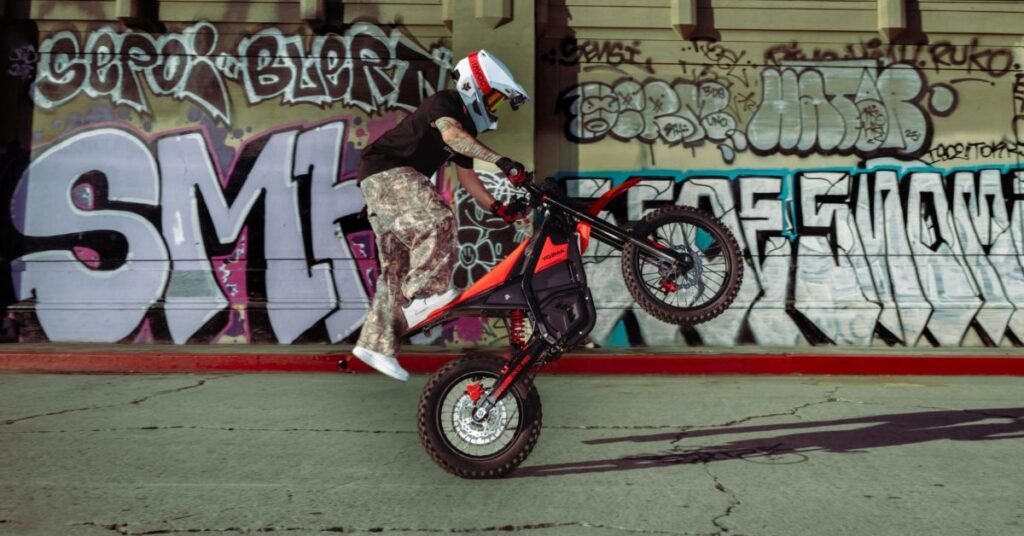
The core issue centers on the vast performance differences between vehicle categories. While standard commuter electric bicycles typically operate at speeds between 20 and 28 mph (32 to 45 km/h), electric dirt bikes and e-motos can reach speeds up to 50 to 60 mph (80 to 100 km/h). PeopleForBikes highlighted that when high-speed e-motos are involved in accidents and broadly categorized as electric bikes, it skews public crash statistics and influences how lawmakers and law enforcement view low-speed alternatives.
Proposed Regulatory Recommendations
As part of its CPSC testimony, PeopleForBikes recommended maintaining the existing federal definition for low-speed electric bicycles while introducing a separate definition specifically for e-motos capable of speeds up to 60 mph (96 km/h). The organization also advocated for mandatory electrical safety standards for off-road e-motos, greater scrutiny on high-performance bicycle conversion kits, and coordinated enforcement between the CPSC and the National Highway Traffic Safety Administration against e-motos evading federal requirements.
Practical Takeaway
For European and global EV buyers navigating evolving micro-mobility markets, understanding the clear functional divide between low-speed commuter electric bicycles and high-powered e-motos is increasingly essential as regulators move toward stricter classification and safety standards.
Source: Original report