
Changes to Commercial Equipment Deductions
Following the expiration of the Section 45W Commercial Clean Vehicle Credit, commercial fleet operators are looking closely at alternative mechanisms for vehicle acquisitions. Under current IRS guidelines, the Section 179 tax deduction allows businesses to immediately expense qualifying equipment and vehicle purchases, functioning as an expense reduction rather than a direct tax credit.

Recent legislative updates under the One Big, Beautiful Bill Act (OBBBA) have adjusted the parameters of Section 179. The maximum deduction limit for equipment purchases has increased to $2.5 million. A phase-out threshold begins at $4 million of capital investments, reducing to zero at $6.5 million. These provisions apply to eligible new and used vehicles, as well as associated charging infrastructure and battery energy storage systems, provided the assets are new to the purchasing business.
Depreciation Rules for Commercial Vehicles
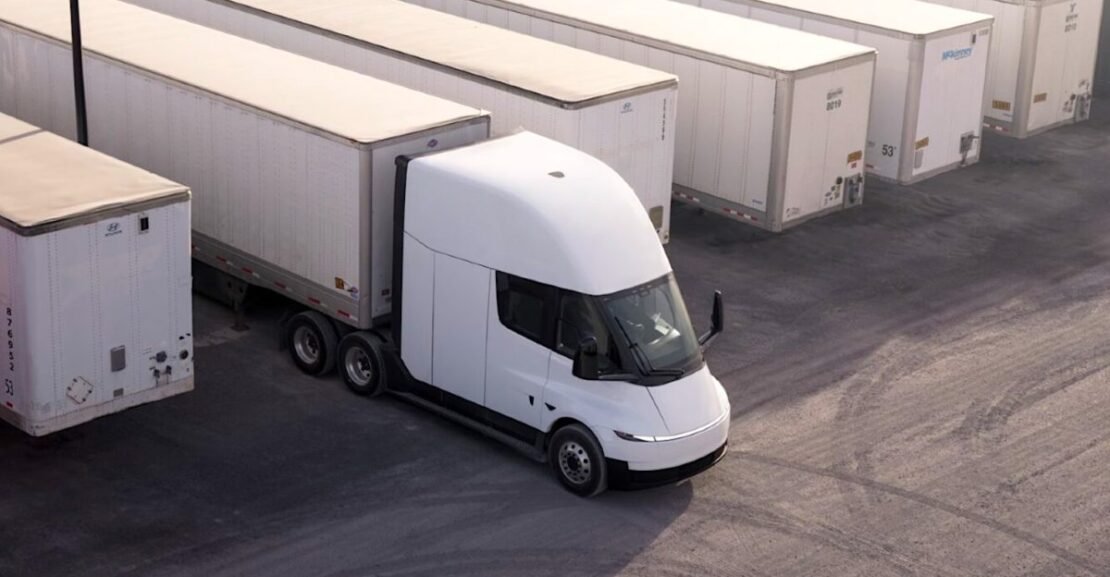
The IRS classification guidelines do not differentiate between fuel types, meaning electric commercial vehicles, tractor units, garbage trucks, and vocational vehicles are evaluated based on their designated use and property class rather than their powertrain. Tractor units designed for over-the-road use are classified as 3-year properties and fall under the recovery threshold for bonus depreciation.
Additionally, IRS Notice 2026-11 provides guidance on the permanent restoration of 100% bonus depreciation under Section 168(k) for qualifying property acquired after January 19, 2025. Fleet operators may combine Section 179 expensing with bonus depreciation, allowing businesses to write off portions of qualifying vehicle purchases across the first year depending on specific binding contract rules and eligibility requirements.
Practical Takeaway
Commercial fleet operators and businesses evaluating electric vehicle acquisitions should consult certified tax professionals and accountants to navigate the interaction between Section 179 expensing, bonus depreciation caps, and IRS acquisition rules for qualifying equipment.
Source: Original report